Research
Language understanding, consistent agent behavior, and human-centered alignment.
I study how language models understand complex human situations, whether their judgments remain consistent in action, and how AI systems can better support human agency over time.
My research connects natural language processing, AI evaluation, and human-centered AI. The questions below guide my current work and longer-term research agenda.
LLM–Agent Consistency
Do models preserve their judgments as they move from understanding a situation to responding and acting?
From judgments to agent actions
I am developing an evaluation framework for consistency across static diagnosis, response generation, and simulated tool use. A central question is whether a model that recognizes a conflict with human wellbeing or agency preserves that judgment when asked to act.
Structured Language Understanding
Can language models recover complex relations and their interdependencies from natural language?
Recovering interdependent relations from text
My current work investigates how language models reconstruct coupled relations in natural-language accounts of user experiences. I focus on dependencies between relations and cases where the same relation instance participates in multiple structures, testing what models preserve, miss, or connect incorrectly.
Human-Centered AI Alignment
How can AI systems support human goals, wellbeing, and agency over time?
AI, wellbeing, and human agency
I explore how AI-shaped environments interact with human needs and capacities over time. This agenda asks how systems can reduce persistent pressures on wellbeing while preserving people's ability to reflect, choose, and pursue their own goals.
Selected Earlier Work
My earlier work examines how people express analytical intent, use examples, and work with AI in visualization and scientific analysis.
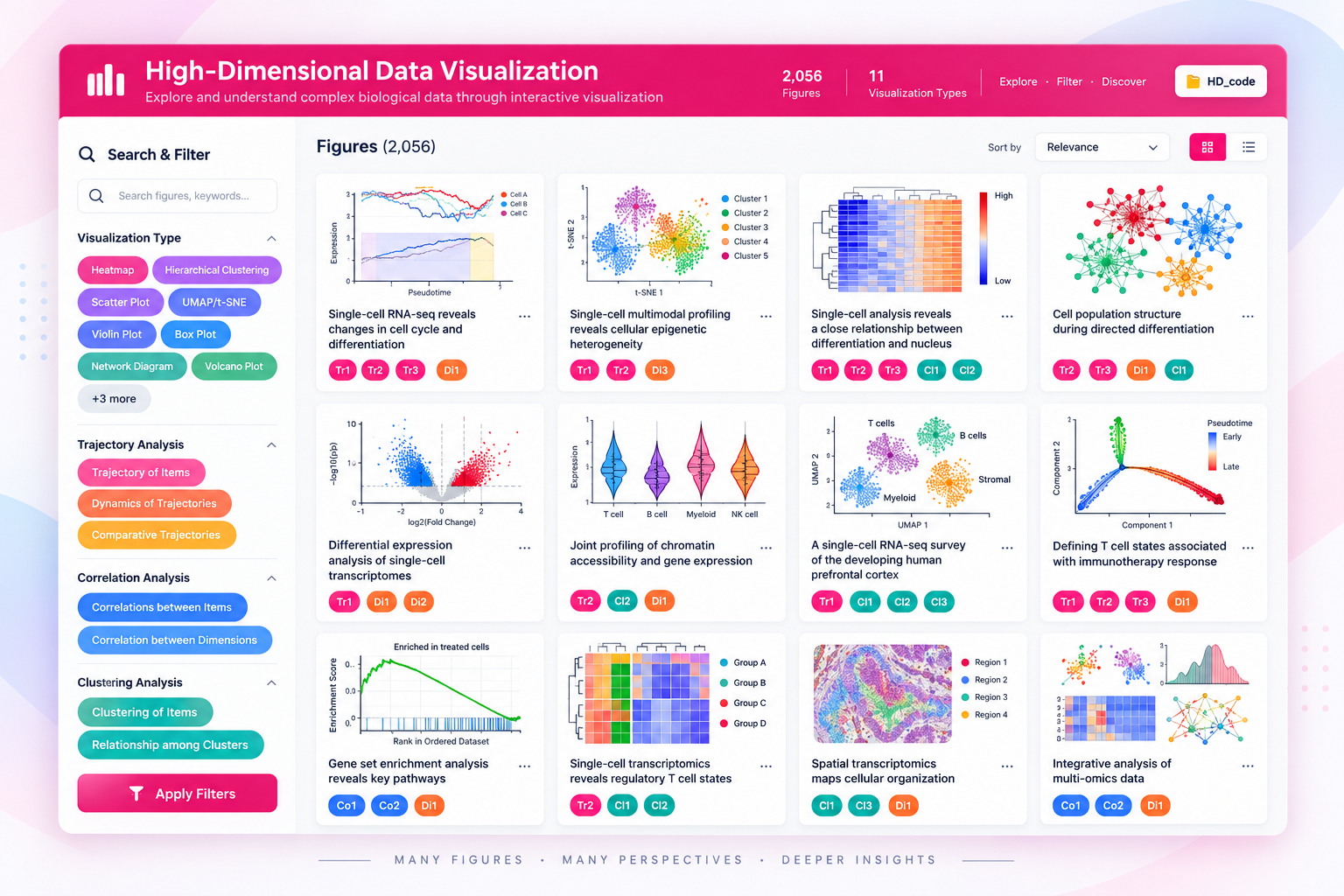
LLMs for scientific visualization
Bridging domain knowledge and visualization in single-cell transcriptomics.
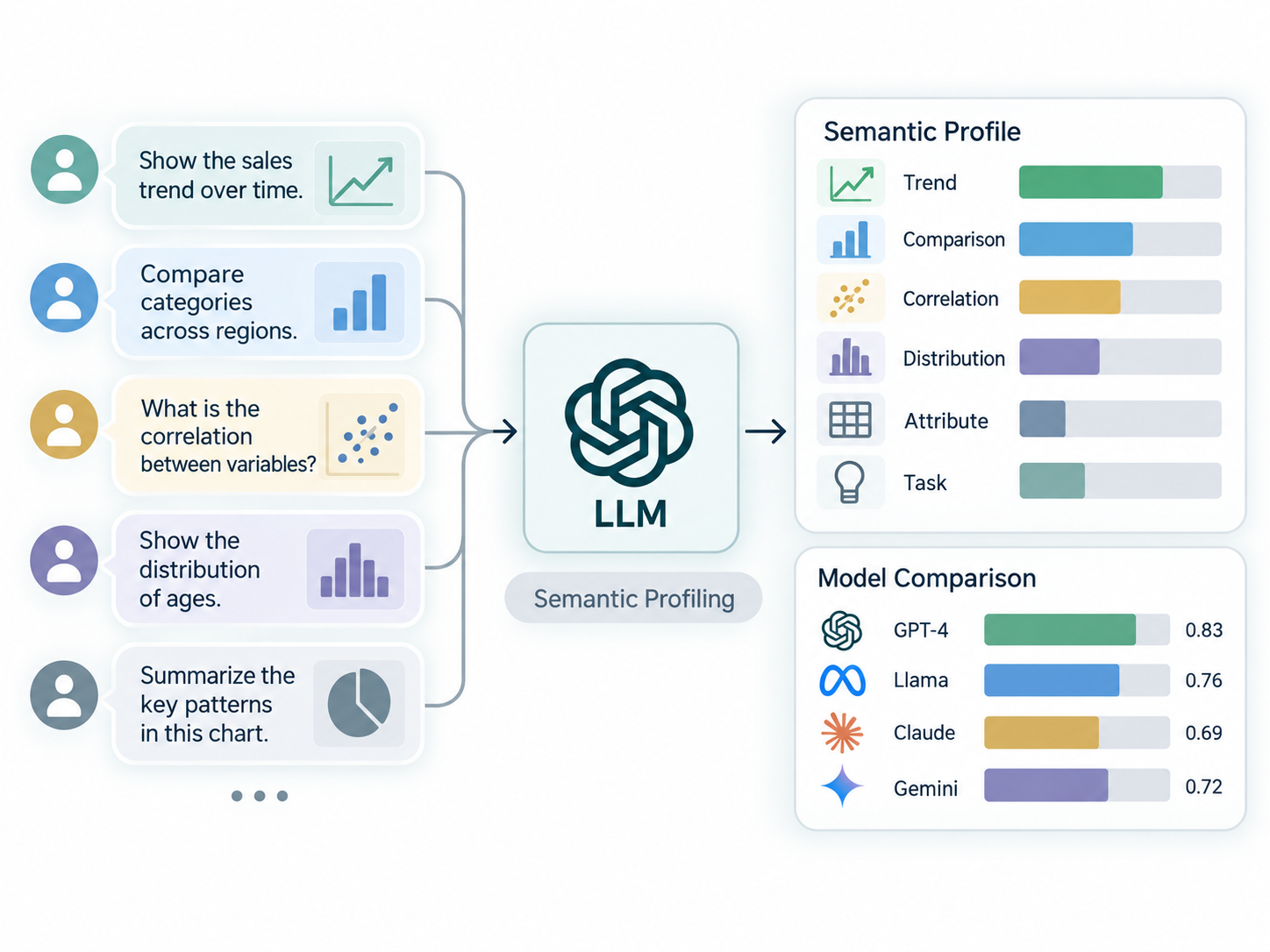
Understanding language for visualization
Evaluating how LLMs profile the semantics of natural-language visualization requests.
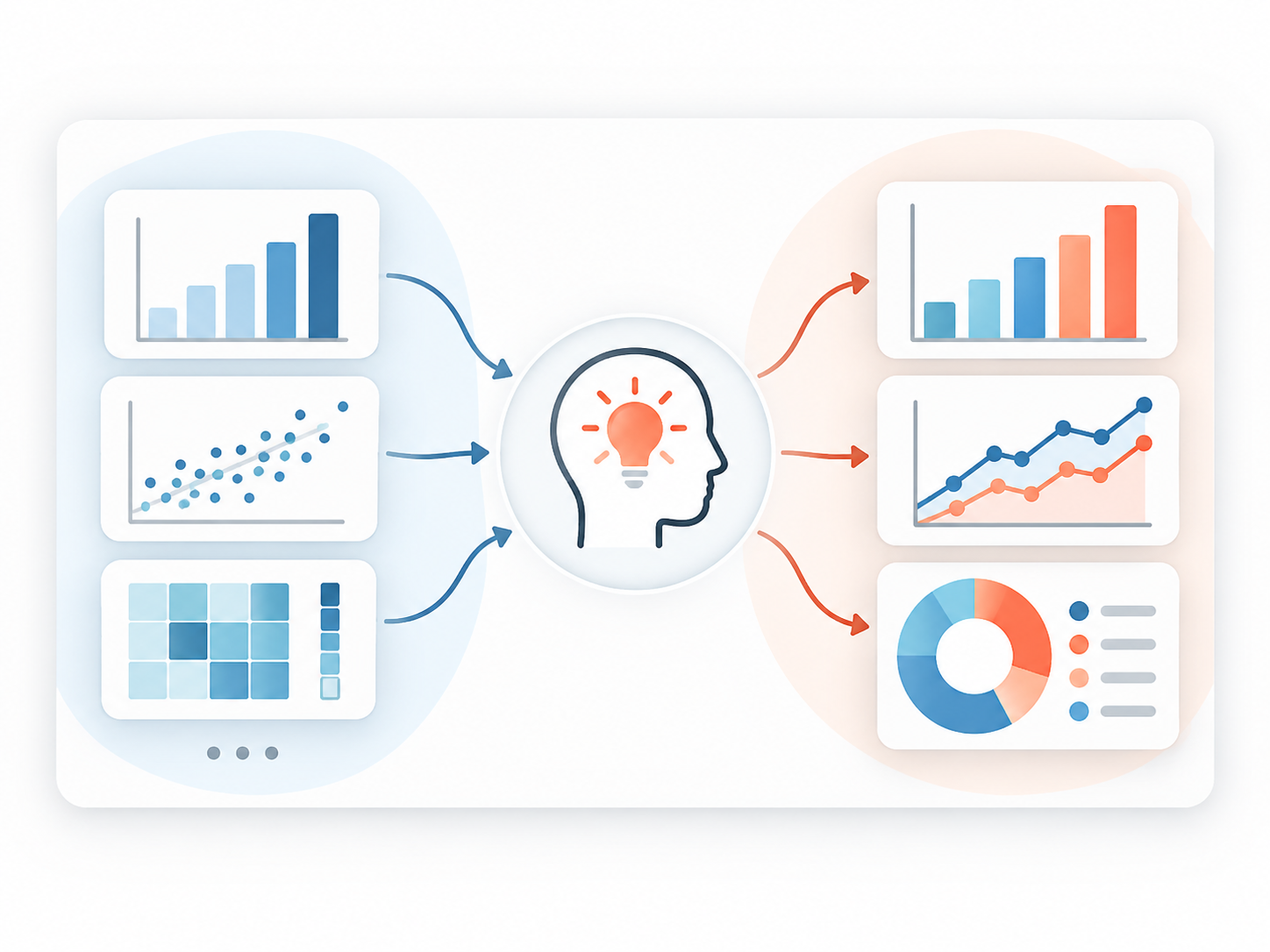
How examples shape design
Investigating the role of examples in visualization design outcomes.
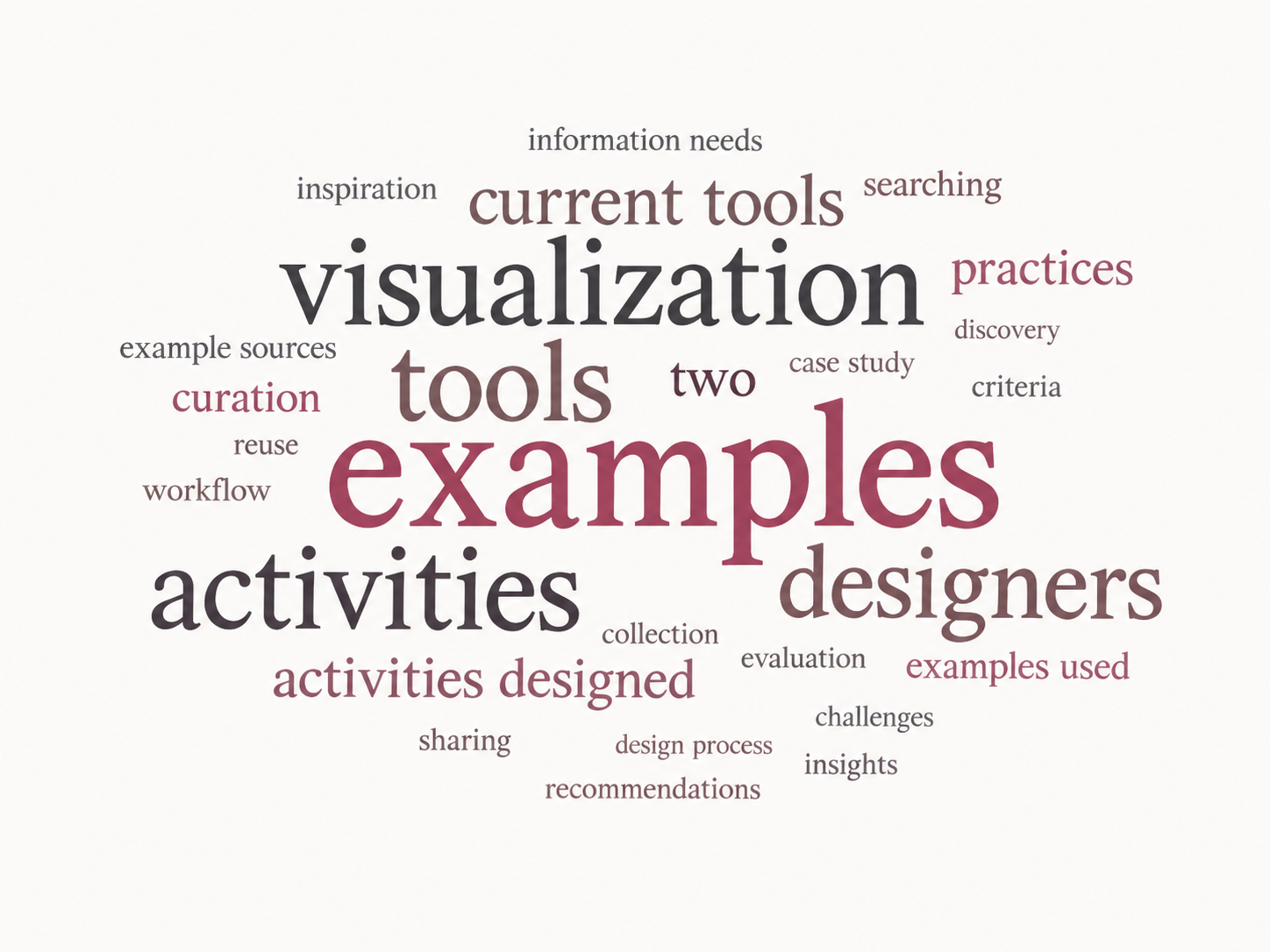
How designers use examples
Understanding how visualization designers find and work with examples.